

Thrifiting Your Way to Prosperity
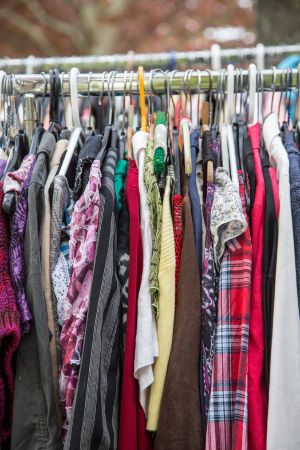 In challenging economic situations, or when working families are struggling financially,
thrifting offers a way to save money. Quality items may be purchased for less than
sale prices and may even include Montana-made products. Below are some dos and don’ts
of secondhand shopping.
In challenging economic situations, or when working families are struggling financially,
thrifting offers a way to save money. Quality items may be purchased for less than
sale prices and may even include Montana-made products. Below are some dos and don’ts
of secondhand shopping.
First, as with all shopping preparation, make a list. Wait to enter the doors of a local thrift shop until you have a list of specifics. And rather than composing a mental list, write ideas on paper, with approximate values. The assortment of items available in thrift stores holds an allure that may lead to impulse spending, which is using money that should be applied to more essential needs. Shopping with a plan of action saves time and money.
The next step is identifying quality items at secondhand shops. Since everything from clothing to household appliances, exercise equipment, and furniture is for sale in the aisles, the shopper must use extra care to decide on a purchase. When purchasing clothing, inspect the garment by evaluating stitching, color, and fit, looking for holes or rips, and testing closures such as zippers. While shoppers may be wary of used clothing, stores often inspect each item for cleanliness, discoloration and wear. As an added measure, hold items up to windows with sunlight; stains that may be difficult to see in fluorescent light will show up in natural light. Many thrift stores have a fitting room; be sure to try on the article.
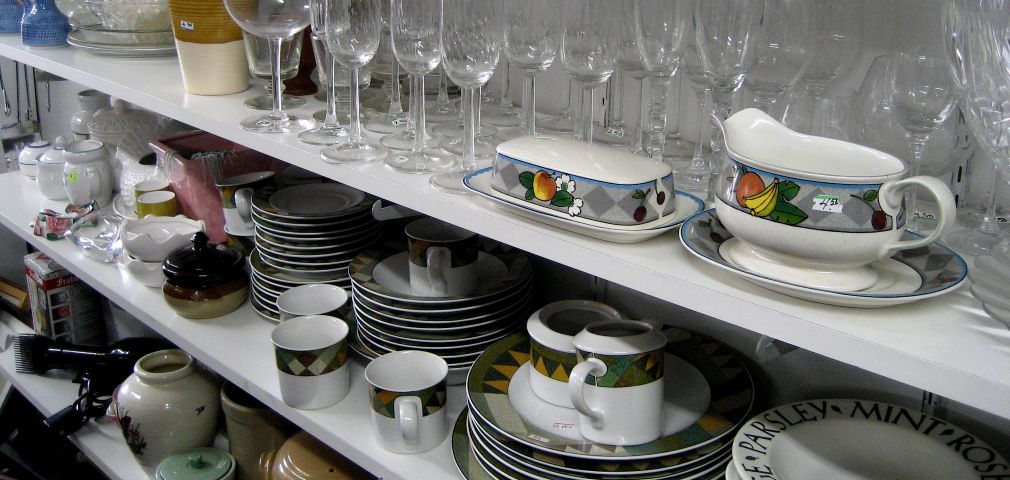
As with clothing, the shopper should inspect furniture, gym equipment, and household items. Sit down in the rocker. Turn the cushions over on the sofa. Kitchen utensils should be straightforward to assess. A quick survey of these items will suffice. Shoppers do take a chance when purchasing small kitchen appliances, electrical equipment, and electronics.
Finally, customers should familiarize themselves with a store’s return policies. Cash refunds are not typical. Some shops only allow the customer to exchange items of equal value. Receipts and tags are also typically required for purchase validation. While clothing may be accepted for return, be aware that furniture, books, toys, CDs and DVDs are not eligible for return in many locations.
Using thrift stores and secondhand shops is one way to trim a family’s budget expenses. When practiced with forethought and discipline, a buyer will not be disappointed.
Photos: Adobe Stock
Smart Thift Shopping- What to Buy and What to Avoid |
|
DO buy these items:
|
AVOID buying these items:
|
Lisa Terry is the MSU Extension Family and Consumer Sciences Agent in Glacier County.