

Montana Equine Travel Checklist
As 2026 equine adventure plans solidify, use the following checklists to stay safe
and legal.
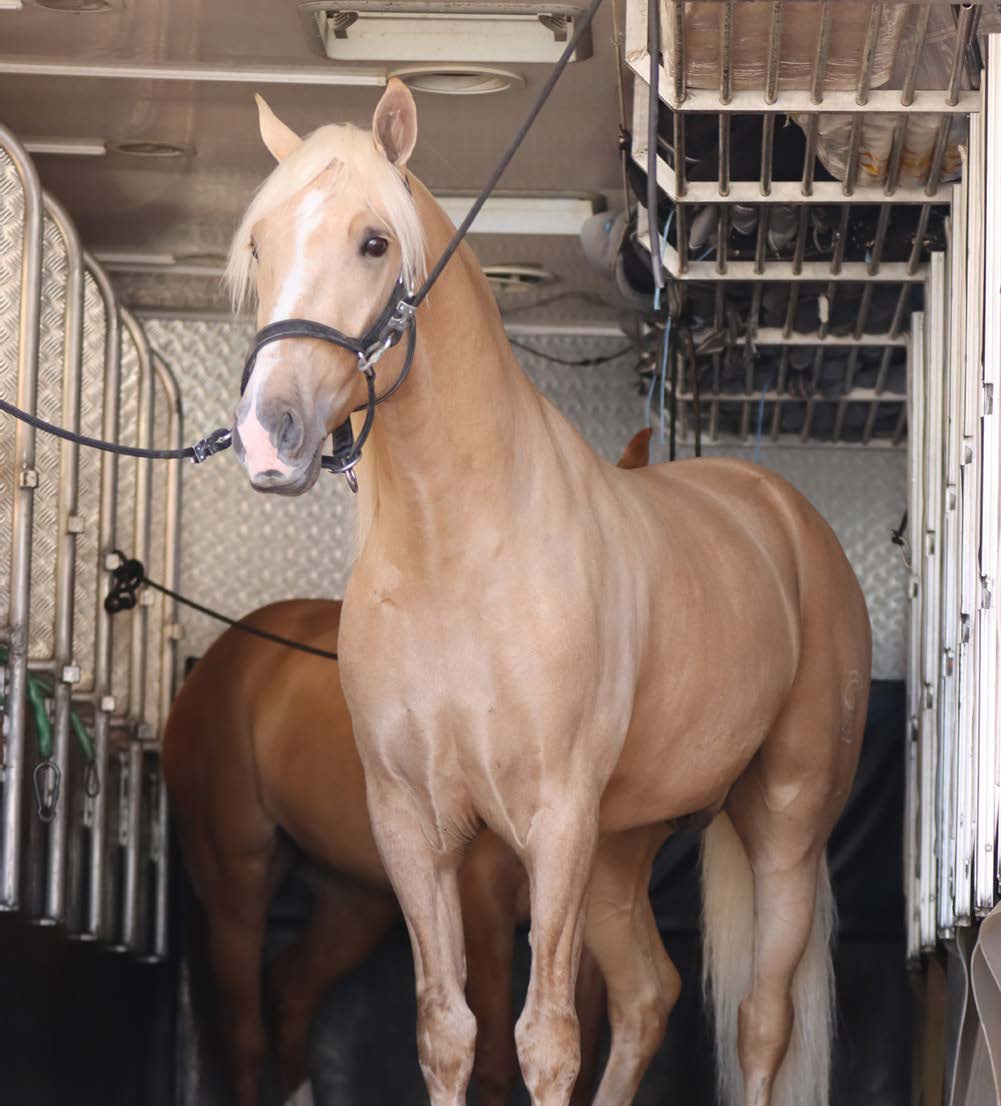
Photo: Adobe Stock
Start planning horse transport months in advance. There are many factors to consider: Is a horse healthy enough to withstand the stress of travel? Do they have an appropriate body condition score? Are they up-to-date on recommended vaccines?
Begin with the needed tests for travel. Talk to a local veterinarian early in the planning process and schedule a blood draw for Equine Infectious Anemia (also known as a Coggins test). As a rough guideline, consider a negative Coggins test good for 6 to 12 months (depending on destination) and a Certified Veterinary Inspection (CVI) good for 30 days. For frequent travelers, a 6-month Equine Passport can replace monthly exams. This Extended Equine Certificate of Veterinary Inspection (EECVI) is valid in many states. However, each state and country is different, so call ahead or go to interstatelivestock.com to check specific state-to-state travel requirements.
Another important travel requirement is a brand inspection document. Montana is somewhat unique in that horses need state identification to travel within and outside of the state. There are nine states that do this in the West. Brand identification (not an actual brand) and travel requirements are mandated by Montana’s Department of Livestock, based in Helena. Find a local brand inspector for a specific county by going to liv.mt.gov/brands-enforcement/find-a-brand-inspector. If the horse does not have a state brand ID, schedule a brand inspection at least a month in advance of travel to ensure enough time to receive the mailed documentation.
In today’s equestrian culture, it’s not uncommon for horses to snowbird with their owners, to cross state lines for clinics, or skip counties to get to trail rides. The travel requirements for each border can be confusing, so keep the Montana Department of Livestock number close. The veterinarians and staff can help you understand the requirements, and they are also aware of emerging equine concerns and the best protocols for your horse’s safety (for example, the Equine Herpes Virus outbreak in late 2025).
Resources:
- Local veterinarian
- Montana Department of Livestock: 406-444-2976 or liv.mt.gov
- Interstatelivestock.com
- County brand inspector: liv.mt.gov/brands-enforcement/find-a-brand-inspector
Checklist (*Indicates a requirement)
Leaving the county
- *Brand inspection (annual or lifetime)
- Talk to your veterinarian about an appropriate vaccination protocol
Leaving the state
- *Brand inspection (annual or lifetime)
- *Certificate of Veterinary Inspection (CVI)
- *Negative Coggins test (valid for 6 or 12 months depending on travel destination)
- Ask overnight boarding facilities and activity venues about their vaccination requirements to enter their properties
Leaving the US
Requirements vary by country. Work with your veterinarian to determine testing and necessary documentation that is required well in advance of the departure date (at least 3 months, ideally more).
Natalie Sullivan is an MSU Extension agent in Missoula County.