

Passing the Torch: A Conversation for Montana Farm and Ranch Families
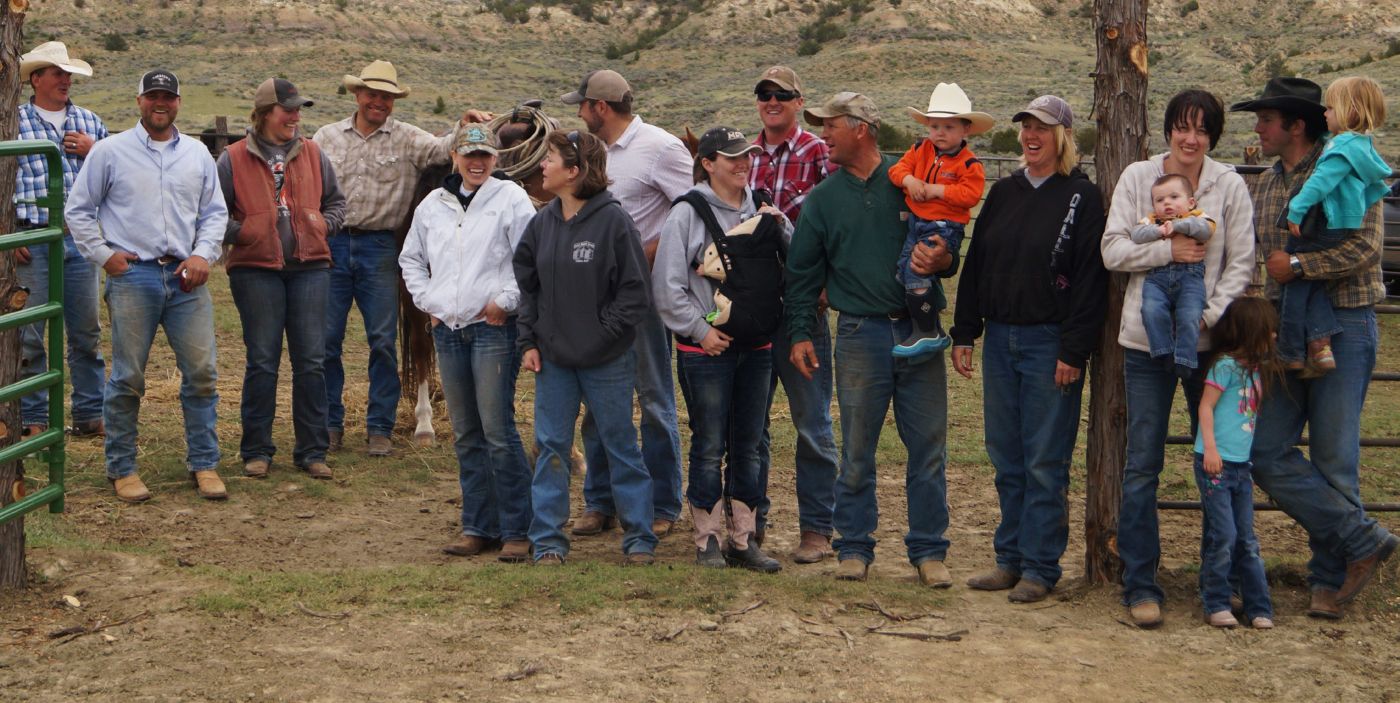
Photo: Melissa Ashley, MSU Extension
Across Montana, farm and ranch families carry a legacy that stretches beyond acreage, livestock, or financial worth. These operations are more than businesses. They represent a heartbeat of rural life, symbols of perseverance, and threads that tie generations together. Yet for many families, the dream of passing that legacy forward may remain tangled in silence due to uncertainty or fear. Transferring a family operation to the next generation is not merely a legal transaction; it is an emotional journey of hopes, anxieties, and conversations that can feel too heavy to begin.
It’s tempting to focus only on the legal documents — wills, trusts, tax strategies, and business structures — because those pieces feel concrete and manageable. But the human side of the process is important, too. Succession isn’t simply about paperwork; it’s about navigating differing values, expectations, and ideas of what is fair. It’s about understanding each family member’s unique connection to the land and acknowledging their fears: of conflict, of disappointing one another, of change, and of loss.
Ignoring the emotions tied to succession planning can lead to strained relationships.
 Many families delay planning because they hope that hard conversations will somehow
resolve themselves. Others avoid the topic entirely, thinking there will always be
more time. But when the transfer process never begins, the consequences can be devastating
— strained relationships, financial hardship, and, in the worst cases, the loss of
a family operation that generations worked to build. Younger family members may feel
uncertain about their future, while the older generation may carry a burden of quiet
worry about what will happen to their life’s work as plans remain unspoken.
Many families delay planning because they hope that hard conversations will somehow
resolve themselves. Others avoid the topic entirely, thinking there will always be
more time. But when the transfer process never begins, the consequences can be devastating
— strained relationships, financial hardship, and, in the worst cases, the loss of
a family operation that generations worked to build. Younger family members may feel
uncertain about their future, while the older generation may carry a burden of quiet
worry about what will happen to their life’s work as plans remain unspoken.
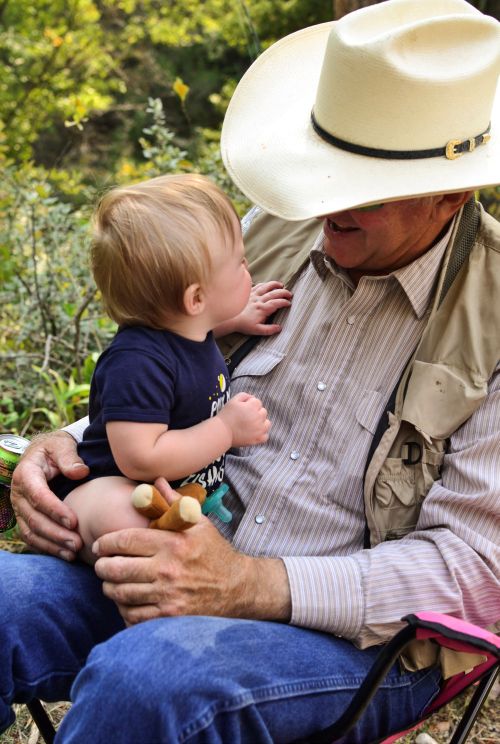
[Photo: Inga Hawbaker, MSU Extension]
When the farm or ranch and the family are closely interconnected, succession planning can be very effective. The success of one often affects the success of the other. Transfer planning — the legal and financial side — can be effective when paired with thoughtful succession planning, where family members talk honestly about roles, responsibilities, hopes and concerns.
Beginning a conversation is what families need to do.
Grown children, siblings, cousins or spouses may hesitate because they don’t want to sound greedy or impatient. Grandparents and parents may fear bringing up what feels like a discussion about aging or mortality. The emotional tug-of-war can leave families stuck in silence, each person waiting for the other to speak first.
Resources exist to help ease this discomfort. MSU Extension’s booklet, Transferring Your Farm or Ranch to the Next Generation, provides educational tools that can help families start the conversation. Sharing a newspaper or magazine article about ranch transitions can be a gentle, non-threatening way to begin a discussion. Attending an estate planning seminar together can give families a shared language and understanding of the legal side, making follow‑up discussions feel less intimidating.
Beyond the paperwork lies the heart of succession: communication.
Families who have successfully navigated this process often recommend beginning with individual reflection. Each person, no matter their age, should consider their own goals, concerns and vision for the future. Then, couples should talk openly before joining larger discussions. Finally, families should meet to share perspectives. This structured approach, with worksheets provided in the MSU Extension publication, helps reduce assumptions and fosters an environment where each person can feel heard.
While current owners typically make the final decisions, those decisions are more meaningful when they consider honest, respectful dialogue and feedback with family members who want to steward the farm or ranch. Without understanding what younger family members genuinely want — or don’t want — older generations may unknowingly make choices that create confusion, resentment, or unmet expectations. Meanwhile, younger family members can feel more at ease with plans that consider their voices and opinions, rather than leaving them as bystanders in decisions shaping their future.
How to Take Action
- Start by requesting MSU Extension’s Transferring Your Farm or Ranch to the Next Generation from your local Extension agent or download it from the MSU Extension online store. Make copies of the worksheets for all involved.
- Attend an MSU Extension webinar or seminar on estate or succession planning.
- Listen to the Reframing Rural Podcast, season 4, to hear succession stories and learn from succession specialists in the bonus episode, “A Roadmap to Farm and Ranch Succession Planning.” reframingrural.org/season-four-succession
Every Montana farm and ranch family deserves the chance to pass on not just land, but the values, work ethic, and sense of identity that come with it. Your family’s legacy is worth the effort it takes to begin a succession planning conversation.
Marsha A. Goetting, PhD, CFP® is a Professor and MSU Extension Family Economics Specialist.