

What is Dormancy and How Does it Work?
Master Gardener Spotlight
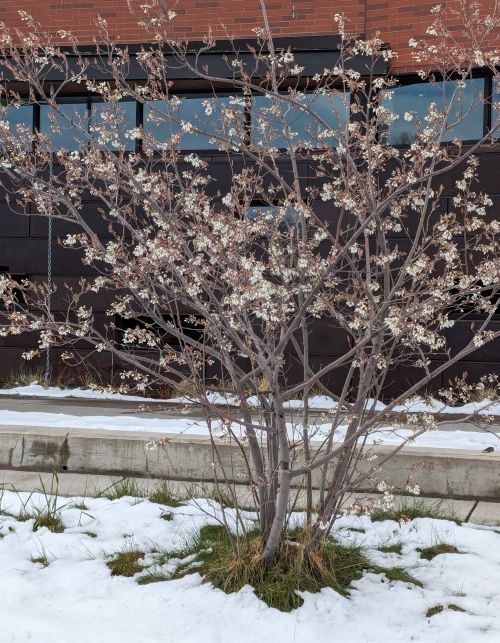
Photo: Sarah Eilers, MSU Extension
Looking out the window, huddled in blankets in a heated home, you may wonder how plants get through Montana winters. Some plants (annuals) will complete their life cycle within a year, and then die before winter, but many other plants (perennials) survive year after year, even in some of the toughest winter conditions. You may also wonder how some plants are much better than others at handling Montana’s temperature fluctuations and harsh conditions.
Many plants undergo a process called dormancy, where they are not actively growing, though still alive. Dormancy is a survival tactic for certain plants, where they slow or stop active growth to conserve energy and protect themselves.
This process can look different depending on the type of plants, and is usually most noticeable in deciduous trees and shrubs (woody plants that drop their leaves in the fall/winter). Though we may think of dormancy as a response to cold/dry conditions, many may not realize that there are two different types of dormancy that plants undergo: endodormancy and ecodormancy (these two types are triggered by different things, and serve slightly different functions).
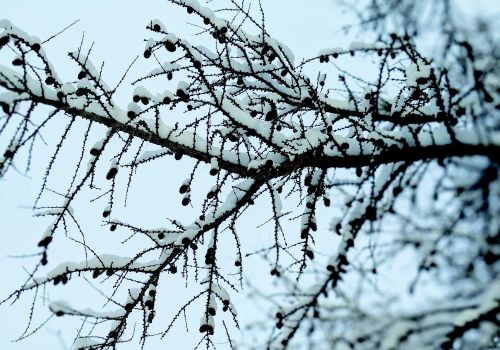
Photo: Sarah Eilers, MSU Extension
Endodormancy is caused by the plant’s internal clock (and is a result of physiological processes that prevent active growth in plants until a specific duration or chilling period has occurred). This process is crucial for plants to store energy that will support spring growth, in addition to protecting these plants in adverse conditions. This process also prevents certain plants from resuming active growth in the winter months, regardless of temperature fluctuations (even if conditions could be ideal for growth and development). The temperature threshold for these chilling hours is usually between 32-45F. The duration of the chilling period required to break endodormancy varies depending on the type of plant, from a couple of hundred hours to over 1000. Plants that cannot meet the required chilling hours may have poor growth the following spring, which is why we may be unable to successfully grow certain plant varieties with longer chilling requirements in warmer geographic regions. Alternatively, plants that have a very short endodormancy period may be more susceptible to winter-related injuries and damage when environmental conditions fluctuate. An example is a really warm early spring period, followed by an often inevitable cold snap.
The second type of dormancy is ecodormancy, which is in response to environmental conditions such as temperature and moisture availability. Once the chilling period of endodormancy is complete, ecodormancy is why plants may remain dormant late in spring. They may also enter dormancy (including premature leaf drop) earlier in fall in response to stressors such as limited moisture/drought.
Understanding how these processes work and what causes them can help us make better decisions when choosing fruit varieties to grow in our region, or selecting ornamental plants that will be less likely to exhibit cold-weather-related injuries and dieback in the spring.
Additional Information
University of Minnesota Extension Fruit and Vegetable News - Understanding dormancy and chilling hours in perennial fruit crops: blog-fruit-vegetable-ipm.extension.umn.edu/2024/11/understanding-dormancy-and-chilling.html
Abiya (Abi) Saeed is the MSU Extension Horticulture Specialist.