

Pressure Cookers: How do I use one?
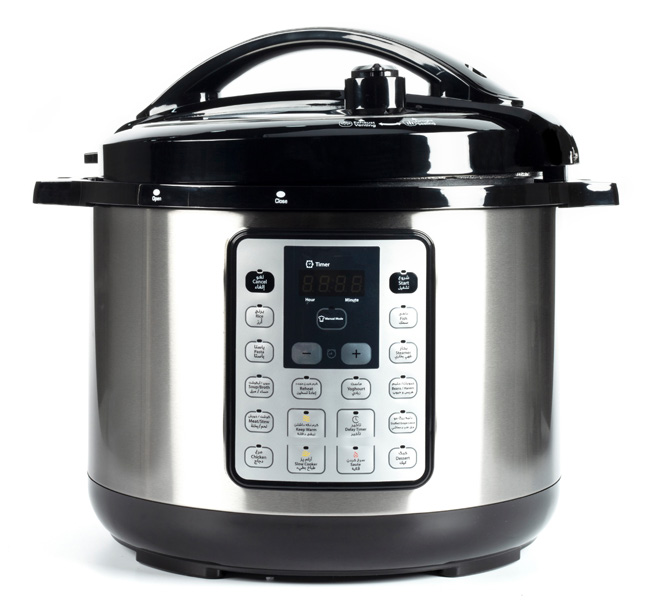 Do you have a pressure cooker sitting in the kitchen waiting to be used? If you’ve
been looking for a way to speed up the time it takes to cook a healthy dinner, a pressure
cooker might be the right tool. There are different brands to choose among, but a
well-known one is the Instant Pot.
Do you have a pressure cooker sitting in the kitchen waiting to be used? If you’ve
been looking for a way to speed up the time it takes to cook a healthy dinner, a pressure
cooker might be the right tool. There are different brands to choose among, but a
well-known one is the Instant Pot.
Pressure cooking is known to:
- Reduce cooking time, evenly cooking foods in less time
- Keep food safe by using high heat and pressure to eliminate germs
- Tenderize tough foods, especially tough cuts of meat, dry beans, and whole grains
- Preserve nutrition, as quick, sealed-pressure cooking helps limit nutrient and moisture loss
- Be convenient, with one tool for multiple processes like browning, sautéing or pressure cooking
- Intensify flavors, beginning with searing or sautéing and finishing with pressure cooking to lock in complex flavors
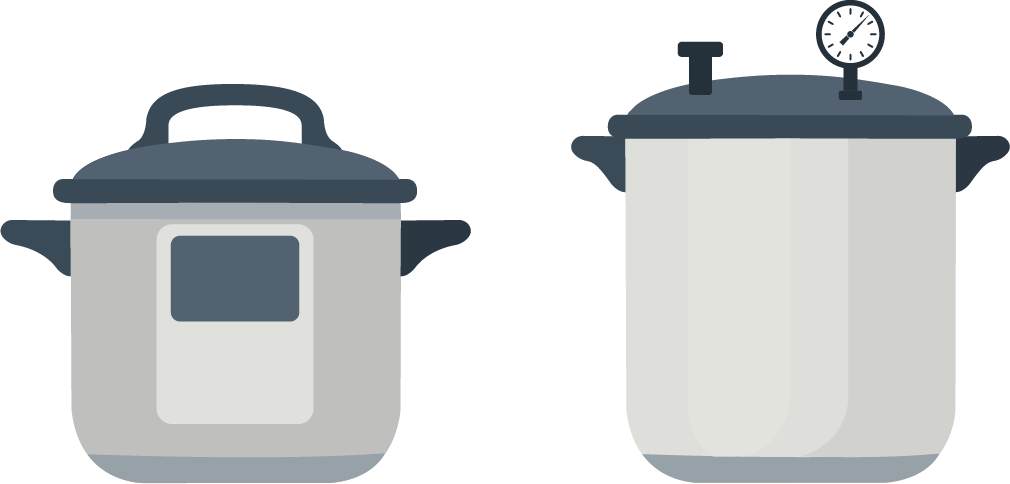
Electric or stovetop pressure cookers are an excellent option for any home chef who wants to cook healthy meals in their kitchen. It’s important to note: Pressure cookers and pressure canners are different kitchen tools that serve different functions.
Pressure Cooking Past to Present
Stovetop pressure cooking, which dates back to the late 1600s, has long been valued for its convenience, energy efficiency, and versatility. Pressure cooker popularity skyrocketed in 2010 with the launch of an electric pressure cooker that combined multiple cooking functions: pressure, slow, rice, sauté and more into a single appliance.
Many appliances have added safety features to reduce the risk of building too much pressure. This innovation made it incredibly popular with home cooks, leading to widespread adoption and numerous consumer options.
Today, electric pressure cookers are a common kitchen cooking staple, providing a fast, energy-saving, and easy-to-use way to prepare meals.
The Science Behind Pressure Cookers
Pressure cookers use steam and pressure to cook food quickly and evenly. These sealed pots build pressure of 5-15 pounds per square inch (psi). Pressurized cooking changes liquid into steam, both inside and around the food, cooking it faster. Under normal circumstances, water boils at 212F. However, in a sealed pressure cooker, the increased pressure raises the boiling point to about 250F.
As the cooker heats, water in the ingredients transforms into steam, which cannot escape, and internal pressure builds to help cook foods. This method is ideal for foods that can withstand moist heat and pressure: braised lean meats, stews, soups, beans, whole grains, and boiled eggs, for example.
Pressure Cooker vs. Pressure Canner |
|
 |
|
Pressure Cooker
|
Pressure Canner
|
Tips to Safely Use an Electric Pressure Cooker
- Keep basic kitchen safety in mind: wash hands, avoid cross-contamination, check the internal temperature of cooked foods and cool foods quickly after cooking
- Refer to the user manual for detailed instructions and safety guidelines, including altitude adjustments for some recipes• Keep the vent, lid and seals clean of food particles
- Inspect the sealing ring for wear or stiffening; do not seal when stored
- Close the vent and ensure the lid is locked at the start of pressurizing
- Consider steam direction from the pressure release valve during natural release (slow, unassisted) or manual release (quick, assisted); never open when still pressurized
- Include at least 1 cup of liquid in a recipe, but fill no more than half to 2/3 full of food to safely pressurize and steam
- Set time delay for no longer than 2 hours to avoid increased food-borne illness risk
- Note that internet- or social media-posted recipes may not follow food safety guidelines
What Shouldn't Be Cooked in a Pressure Cooker?
Canning is NOT safe in this appliance: Pressure cookers are usually not large enough to safely can, and the pressurization isn’t consistent enough for safe home canning. Alternatively, cooking in a pressure canner is not recommended to keep the canner safe and free from particles.
Frying in oil is NOT recommended: Even if a pressure cooker has an air fryer option, it is not meant for frying in oil, as it can damage the equipment.
Pressure Cooker Functions
An electric pressure cooker can be used as a:
- Slow cooker
- Rice cooker
- Steamer
- Yogurt maker
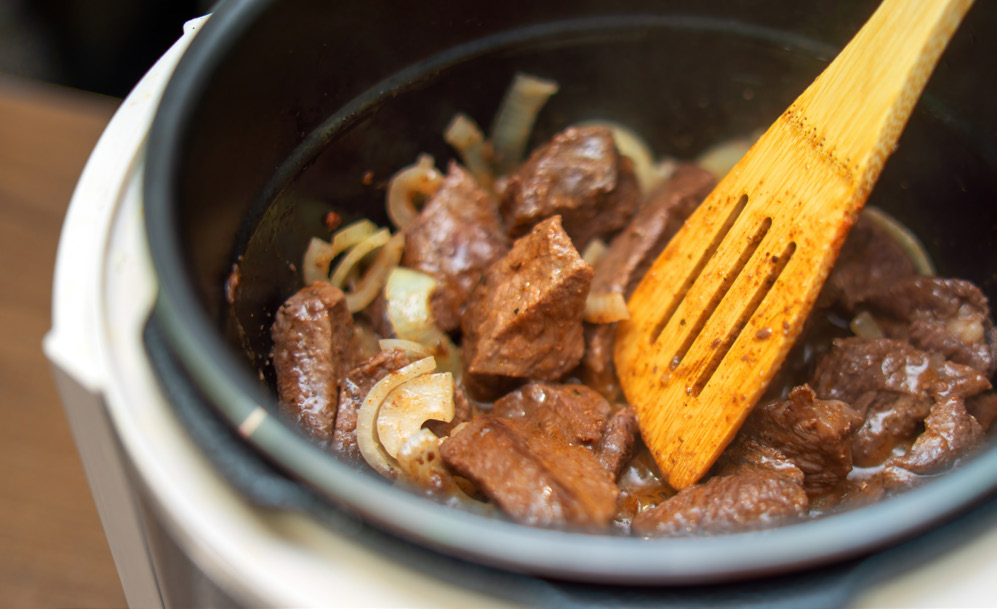
- Sauté/browning pan
- Warming pot
- Air fryer (some specific models may require additional purchase)
Photos: AdobeStock
Foods Idea for Pressure Cooking
- Meat and poultry: pot roast, pulled pork, brisket, salmon, chicken breast
- Grains: rice, quinoa, barley, buckwheat, farro, couscous, kamut, oats
- Soups and stews: chili, dal, vegetable broths,
chicken noodle soup - Vegetables: squash or root vegetables
- Beans and legumes: lentils, black beans, pinto beans, chickpeas
- Others: yogurt, hard-boiled eggs
Combine Foods with Common Cook Times
- Poultry or red meat with carrots, celery and onions
- Whole grains and beans
Convert a Conventional Oven or Stovetop Recipe
- A general recommendation is to divide the stovetop or oven cooking time by 3 (or reduce cooking time to 1/3 of the original recipe if cooking at pressure).
- Decrease liquid by about half, ensuring there is still at least 1 cup of liquid.
- Find a similar pressure cooker recipe and try it. Find trusted recipes online from the MSU Extension Food and Nutrition program at montana.edu/extension/nutrition/nutrition-cooking-culture.
This article was adapted from the MSU Extension publication Meals in Minutes by Brianna
Routh, PhD, RDN, Associate Professor and MSU Extension Food and Family Specialist.