


Aerospace
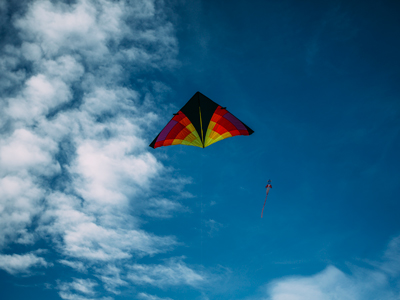
Aerospace involves the fascination of flying an airplane, launching a rocket, conquering space and becoming an astronaut or pilot. Through fun and challenging activities, you will learn about flying, kites, hot air balloons, remote control airplanes, gliders and space shuttles.
It may take three years to complete a level. You must complete a minimum of seven activities and five learning experiences each year to complete this project.
Projects to learn
At level 2 of aerospace, students will learn
- to build a straw rocket
- make a paper airplane
- build a real model rocket
- make and read a map
- identify airplane models
- investigate how weather affects flying
- identify parts of a hot air balloon
- discover how “angle of attack” affects kite flying and more
At level 3 of aerospace, students will learn
- build your own drinking straw
- balloon rocket
- organize a model rocket launch day
- make a paper flight simulator
- make a flying wing (glider)
- build a controllable glider
- hang glider
- build a Nagasaki Hata Fighter Kite
- identify parts of a helicopter
At level 4 of aerospace, students will learn
- to design, build and launch a model rocket
- construct and use an altitude tracker
- research how to qualify for a pilot’s license
- plan the most fuel-efficient flight path for a commercial aircraft
- build a flat-style box kite
- design and propose a new Emergency Medical Service (EMS) helicopter service
- investigate gravity and complete a career profile
Independent study is for any youth looking for new challenges and opportunities in 4-H. This allows a member to explore topics that have not been investigated while remaining enrolled in a 4-H project. Members enrolling in the independent study phase of a project should
- develop a detailed learning plan for their work
- identify an area of interest within the project area
- set goals and locate resources (people, publications, materials) to carry out a project plan
- determine specific experiences needed to accomplish project goals,
- set a realistic timeline for completion
- carry out the project learning plan,
- share experiences with others
- evaluate outcomes and determine what could be improved.
PROJECT REQUIREMENTS
The individualized learning plan should be approved by a parent, 4-H adult volunteer leader or 4-H agent. For assistance in developing a personal learning contract, use Design Your Own project materials or other goal-setting materials. While independent study provides flexibility and creativity, it also requires serious planning, implementation and evaluation.
Materials you'll need
M Lift Off, BU6843
M Reaching New Heights, BU6844
M Pilot in Command, BU6845
M You Decide, 5314
L Helping Them Decide, 5315
L Flight Crew Helper’s Guide, BU6846, Many activities are included for hands-on experiential group fun such as aerospace quiz bowls, skillathons and an airport field day.
Non-Animal Record Books
A Project/Financial Journal is needed for each non-animal related project. Project journals need to contain the name of the project, the year these records were kept, and a leader/parent signature. All sections of the journal need to be completed. If nothing was done in an area or section of a record sheet, the word “none” or something similar should be written.
Careers in Aerospace
If you are wanting to explore careers in aerospace, below are some of the potential routes you can take. 4-H members interested in going to college can also visit the 4-H foundation website for scholarships in their county or reservation.