

Our Team

CMHRR Leadership

CMHRR Affiliated Faculty

Laura Stanley, PhD
Associate Professor, School of Computing, Montana State University
Clinical Research Professor, Clemson University/Prisma Health
Director, Human Interaction Lab
Research Interests
Dr. Stanley's research focuses on developing remote and immersive digital health solutions
using web/mobile applications, virtual/mixed/augmented reality, wearables, emotional
AI, and collaborative robotics. She addresses critical areas such as respiratory disease
management, mental health, pain management, and addiction.
Dr. Stanley has published over 95 peer-reviewed publications and secured more than $20 million in research grants from various federal, state, and private agencies. Previously, she was an Associate Professor and Graduate Program Coordinator in the Industrial Engineering Department at Clemson University. Before joining Clemson, she served as a Program Officer in the Computer and Information Science and Engineering (CISE) Directorate at the National Science Foundation, where she helped shape the nation's research and graduate education agenda.
Recently, Dr. Stanley was appointed to a three-year term on the U.S. Food & Drug Administration’s Digital Health Advisory Committee of the Division of Health Technology in the Center for Devices and Radiological Health.
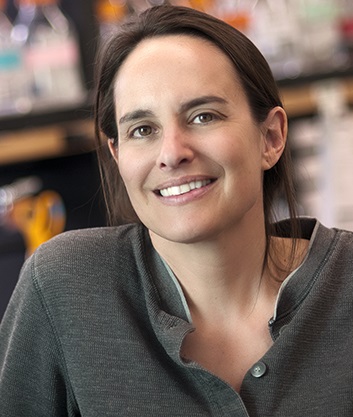
Frances Lefcort, PhD
Professor, Department of Cell Biology and Neuroscience, Montana State University
Research Interests
Dr. Lefcort is working to understand the cellular and molecular mechanisms that drive
the formation of the nervous system, and how disruptions in these pathways can lead
to neural developmental disorders. The major focus of her group's work is the human
hereditary sensory and autonomic neuropathy disorder, Familial Dysautonomia (FD),
using various models. FD is a fatal, developmental and progressive neurogenetic disorder
and affects both the central and peripheral nervous systems. Their goal is to determine
the function of the gene Ikbkap, which is mutated in the human disorder, and to identify potential therapeutics to
treat the progressive visual impairment in FD.
Website: http://www.montana.edu/cbn/faculty-staff/lefcort.html

Cara Palmer, PhD
Assistant Professor, Department of Psychology, Montana State University
Research Interests
Dr. Cara Palmer is the director of the Sleep and Development Lab. Prior to coming
to MSU, Dr. Palmer completed her Ph.D. in Life-Span Developmental Psychology at West
Virginia University in 2014, and a postdoctoral research fellowship in Clinical Child
Psychology at the University of Houston. Dr. Palmer then served as research faculty
at the University of Houston within the Department of Psychology and the Texas Institute
for Measurement, Evaluation, and Statistics. Dr. Palmer joined the MSU faculty as
an Assistant Professor in the Department of Psychology in 2018.
Dr. Palmer's research is interdisciplinary, and incorporates methodology and theory from developmental psychology, clinical child psychology, social psychology, and behavioral sleep medicine. Research in the lab includes multiple methods to assess daytime emotional and social experiences (e.g., behavioral paradigms, psychophysiological and neural responses, ecological momentary assessment) and to assess sleep (EEG-based polysomnography, actigraphy).
Website: http://msusleeplab.org/
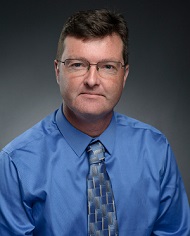
Mark Schure, PhD
Assistant Professor, Department of Health and Human Development, Montana State University
Research Interests
Dr. Schure is engaged in developing and promoting mental health interventions tailored
to meet the needs of rural communities and populations at-risk for poor mental health
outcomes. He specializes in community-based research and has worked in several Montana
and Oregon rural communities for over a decade. Currently, he is conducting research
on the effects of a digital cognitive behavior therapy program for rural Montanans.
He is also developing and testing a specialized chronic illness management program
that addresses mental health issues related to historical trauma among the Apsaalooke
nation in Montana.
Website: http://www.montana.edu/hhd/facultyandstaff/mschure.html
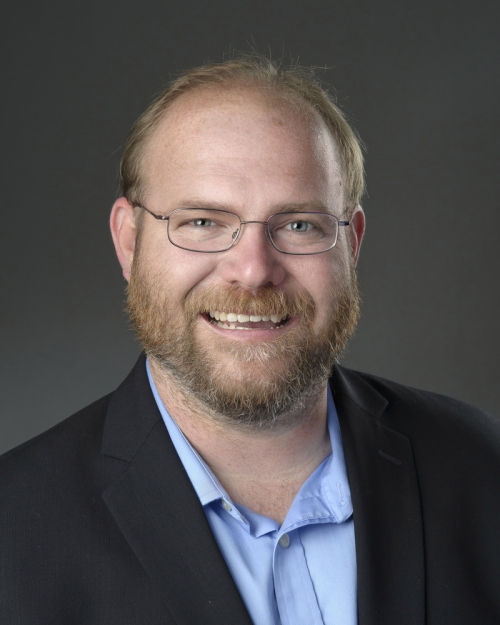
Brandon Scott, PhD
Assistant Professor, Department of Psychology, Montana State University
Research Interests
Dr. Scott's research examines and separates the relations between anxiety and emotional
regulation in youth on a multi-level analysis, including psychosocially and physiologically.
His research questions aim to explore the ways the relationship changes over childhood
and adolescent development, how different individual and environmental factors influence
the relation, and how emotion regulation mechanisms related to anxiety affect health
outcomes.
Website: http://www.montana.edu/psychology/directory/1812074/brandon-scott
CMHRR Affiliated Organizations
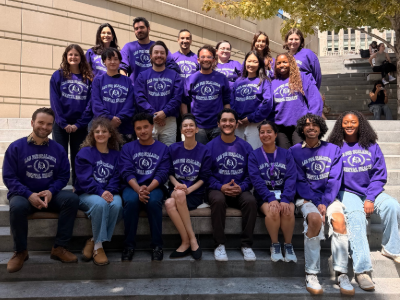
Lab for Scalable Mental Health
Northwestern University Feinberg School of Medicine